How to Choose the Right Speaking Opportunities to Grow Your Brand and Generate Leads

Liam Sandford
Liam Sandford is a Head of Marketing, public speaking expert, and 2x Best Selling Author including the book Effortless Public Speaking. He helps ambitious professionals and entrepreneurs communicate with impact to get noticed, grow their career, and build their business.
Say yes to a speaking opportunity when the audience is the audience you want to reach, the reach is real rather than a vanity number, and the effort it takes is worth the outcome it can produce. That is the whole decision. Everything else is detail. If a podcast, panel, or stage does not clear those three bars, a polite no protects the thing you are really trying to grow: your brand, your positioning, and the pipeline behind it.
I speak on podcasts and in rooms, and I turn far more down than I accept. Not because I am precious about it, but because I have spent 10 years running marketing and I have watched the maths. A speaking slot costs you preparation, travel, and the opportunity of whatever you would have done instead. The stage that grows your brand and the stage that just fills your calendar look identical in the invitation email. Learning to tell them apart before you reply is the skill that separates speaking as a growth channel from speaking as a hobby.
Start With the Audience, Not the Stage
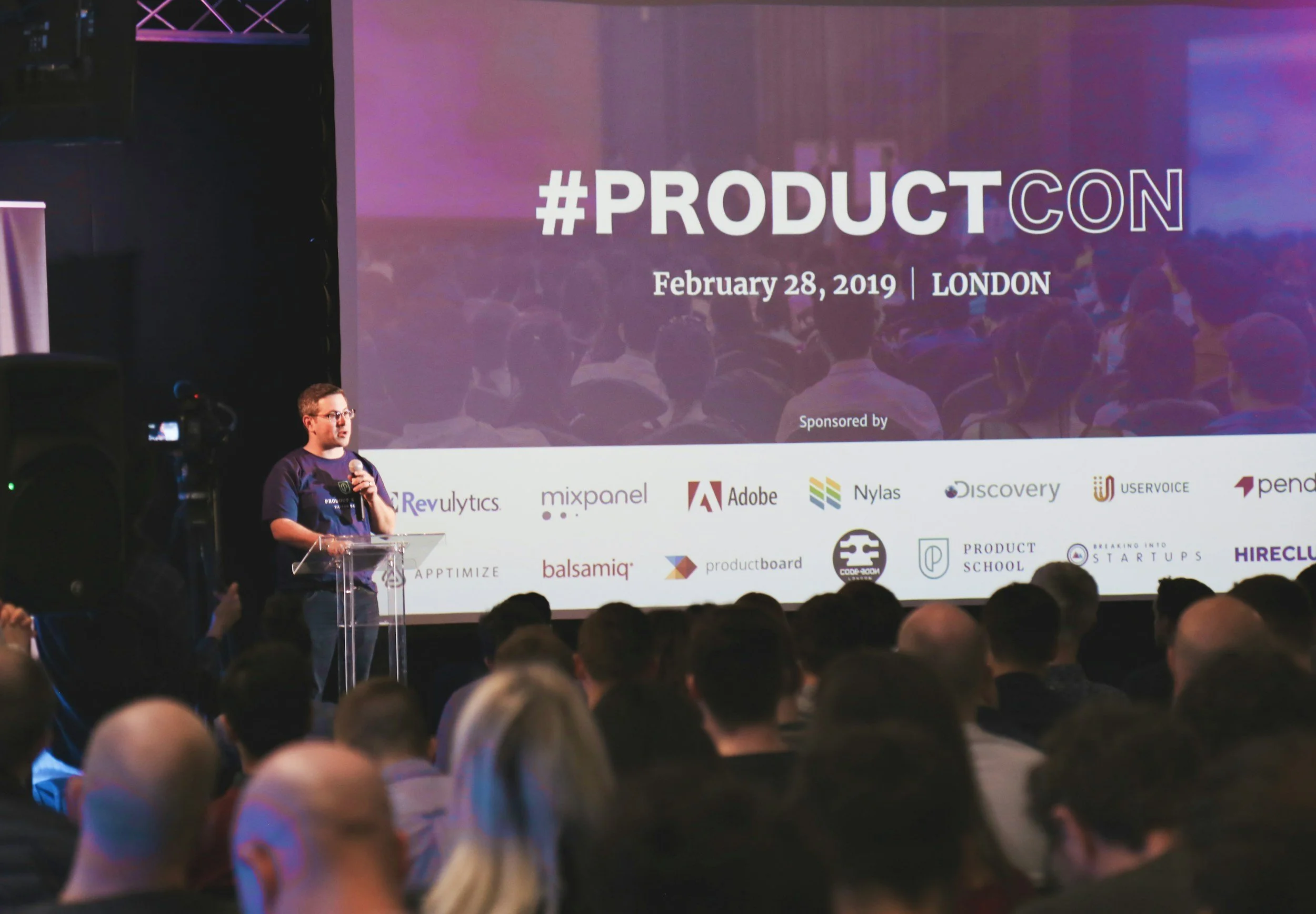
The first question is never how big the stage is. It is who is sitting in front of it.
A speaking opportunity is only as valuable as the overlap between the room and the people you are trying to reach. A packed conference of the wrong audience is a worse investment than a small panel of the right one. This is the mistake I see ambitious people make constantly. They chase the stage that sounds impressive and forget to ask whether their buyers, their peers, or their future collaborators are even in it.
So before I reply to anything, I ask three plain questions:
Who is this audience, specifically? Not "marketers" or "founders" but the layer of person I can genuinely help and would want to work with.
Are they the people I am building my brand for? My past self is a useful test here. Two years ago I had a problem this audience still has. If the room is full of people at that stage, I can serve them.
Will they still care about me in a week? A relevant audience remembers you because you spoke to their situation. An irrelevant one forgets you before the coffee is cold.
If those answers are weak, nothing else rescues the opportunity. You can have the best stage in your industry, but if the room is wrong, your message lands on people who were never going to become anything to you. Audience relevance is the foundation the entire decision sits on, which is why it is worth understanding your audience and buyer personas before you weigh a single invitation.
The Number That Really Matters
Reach is where most people get seduced, so let me be blunt about it. The headline audience number is close to meaningless on its own. What matters is qualified reach: how many of the people hearing you are people you can help and want to reach.
I ran a webinar to around 250 people. Not a huge audience by internet standards, and if I had judged it purely on the attendee count I might have passed. But it was the right 250. Halfway through, I put a single poll in the middle of the session asking who wanted a demo of the product. That one prompt, placed while attention was at its peak rather than saved for the end, produced 60 demo requests during the live session itself. Sixty. From 250 of the right people.
That is the whole argument for choosing on relevance over raw size. A room of 250 aligned people converted better than almost any bigger, looser audience I could have chased, because the reach was qualified and the ask landed while everyone was still leaning in. When you weigh reach, weigh the fit of the audience, not the size of the crowd.
Match the Format to the Outcome You Want
Events, podcasts, and panels are not interchangeable. They do different jobs, and the right yes depends on which job you need doing right now.
Live Events and Conference Stages
A live stage is the strongest tool for authority. Standing in front of a room and holding it builds a kind of credibility that a written post cannot match. The trade is that live events are the most expensive opportunity you have. There is the prep, the travel, the day itself, and the recovery. So the bar has to be higher. I say yes to a stage when the room is genuinely full of the audience I want, when I will get footage I can reuse, and when the organiser can tell me who is really attending. If they cannot describe their own audience to me, that is a warning about how the day will go.
Podcasts
Podcasts are the highest leverage format for the effort involved. An hour of your time, no travel, an evergreen recording that keeps working long after you hang up, and a host whose audience already trusts them enough to inherit some of that trust to you. I have been a guest on shows like the 21st Century Expression Podcast, and the reason I keep saying yes to the right ones is simple: the effort is low, the shelf life is long, and the audience arrives already warmed up. The filter I apply is the host and their listeners. A show with 300 engaged listeners in my field beats a show with 30,000 who tuned in for something unrelated.
Panels
Panels are the lowest effort and, the lowest reward. You share the stage, you get a fraction of the airtime, and you are competing with three other people for the audience's attention. That does not make them worthless. A panel can be worth a yes when the other names on it are people I want to be associated with, or when it is a cheap way into a room I could not headline yet. But I never mistake a panel for a keynote. I judge it on what it really is: a relationship and positioning play, not a lead engine.
Choosing the right format is really a question of strategy, which is why it helps to see how each fits into your wider public speaking in marketing approach rather than treating every invitation as the same thing.
Weigh the Effort Against the Payoff
Every opportunity has a true cost, and most people only count the visible part.
The invitation says two hours. The reality is the prep, the travel there and back, the day itself, the mental load of the week leading up to it, and the day you are half useless afterwards. When I weigh an opportunity, I count all of it, then ask what one appearance can realistically return. Not the fantasy outcome. The likely one.
Here is the simple frame I use:
What does this genuinely cost me? Add up prep, travel, the day, and the recovery. Be honest about the hidden hours.
What is the realistic upside? New qualified audience, reusable footage, relationships, direct enquiries. Name the specific outcome, not a vague "exposure."
What is the cost of my next best option? The two days a conference eats could have gone into content, client work, or three podcasts. If those would return more, the conference is a no even when it is flattering.
Does it compound? The best opportunities do double duty. A keynote that becomes a reel, a podcast that becomes ten short clips, a panel that becomes a relationship. If an appearance dies the moment it ends, its payoff has to be very high to justify the effort.
Most bad yeses come from ignoring that third question. "Exposure" is not a plan, and it does not pay for the two days you lost. Turn the reach you do earn into leads with a deliberate plan for what happens next, the way you would with any other channel that generates leads from public speaking.
Check the Strategic Fit Before You Say Yes
The final filter is direction. A good opportunity does not just have a relevant audience and a fair balance of effort and payoff. It points at where you are genuinely trying to go.
Ask what this appearance is for. If you are building authority, the stage and the association matter most. If you are generating leads, the audience's buying intent and your ability to make a clean ask matter most. If you are building relationships, who else is in the room matters most. The same invitation can be a strong yes for one goal and a weak yes for another, so you have to know your own goal first.
I also apply a reuse test. Because I run marketing, I think about every appearance as raw material, not a single event that happens once. Will I get footage? Can it become a reel, a set of clips, an article, a lead magnet? An opportunity that produces reusable assets is worth far more than one that vanishes when the applause stops, and it is a big part of how you turn appearances into a body of thought leadership through public speaking rather than a scattering of performances that each happen once and vanish.
When to Say No, and Say It Well
A clear no is a strategic act, not a rejection. Turning down the wrong opportunity protects your time for the right one and, done graciously, keeps the door open.
Say no when the audience does not overlap with the people you want to reach. Say no when the effort dwarfs any realistic payoff. Say no when the format cannot do the job you need doing. And when you do decline, be warm and specific: thank them, explain briefly, and where you can, suggest someone who genuinely fits. A generous no is remembered as kindly as a good yes, and organisers who ran a great event will invite you back when the fit is right.
Frequently Asked Questions
Should I ever say yes to a small audience?
Yes, and often you should. Size is the wrong headline metric. A small, tightly relevant audience frequently converts better than a large, loose one, because reach only counts when it is qualified. I once put a single poll in the middle to around 250 people and it produced 60 demo requests in the room. The lesson is not "small is better," it is "relevant beats large." Judge the fit of the audience before you judge the number.
How do I compare a podcast to a live event when both are on offer?
Compare them on effort against payoff and on the job you need doing. A podcast is low effort, evergreen, and inherits the host's trust, which makes it excellent for reach and authority with almost no travel cost. A live event is high effort but unmatched for the depth of credibility a room gives you, plus reusable footage. If you need trust at scale cheaply, take the podcast. If you need to plant a flag as an authority and can afford the day, take the stage.
What is the biggest mistake people make when choosing opportunities?
Chasing the stage that sounds impressive instead of the relevant one, and counting only the visible cost. People say yes to a big name event full of the wrong audience, then wonder why nothing came of it. Start with who is in the room, then count the true cost including prep, travel, and recovery, then ask what one appearance can realistically return. Do that in order and most of the invitations that flatter but deliver nothing fall away on their own.
How do I make a speaking slot generate leads once I have said yes?
Put one clear ask in the middle of your appearance, not at the end, while attention is at its peak. Saving the ask for your closing line wastes the moment everyone is most engaged. Give the audience a single, specific next step, whether that is a demo, a resource, or a conversation, and make it easy to act on there and then. The stage earns the attention; an ask placed well in the middle turns that attention into leads.
Do I need testimonials or a media kit before I start accepting opportunities?
No. You need a relevant audience and something useful to say. A media kit and reel help you get invited to bigger stages later, and you should build them as you go, but they are not a gate on starting. Say yes to the right small opportunities first, capture footage from each one, and let your evidence accumulate. The proof is a natural result of doing the reps, not a prerequisite for them.
TL;DR: How to Choose Speaking Opportunities Worth Saying Yes To
Not every invitation deserves a yes. Weigh each one on the audience, the reach, and the effort against the payoff.
Audience relevance first. If the room is not full of people you want to reach, the quality of the stage does not matter.
Reach that is real, not vanity. A room of 40 buyers beats a livestream of 4,000 strangers who will never think about you again.
Effort versus payoff. Count the true cost in prep and travel, then ask what one appearance can realistically return.
Strategic fit. The opportunity should point at the outcome you are chasing, whether that is authority, leads, or relationships.
Ask in the middle. However you say yes, put your one clear ask while attention is at its peak, not at the end.
More From Liam Sandford
Read my book: Effortless Public Speaking. Learn how to speak confidently, reduce stress, and turn public speaking into your competitive advantage. These actionable public speaking tips will help you improve your presentation skills for any audience.
Join the free 5-day email course: Get daily lessons packed with practical strategies to deliver effective presentations and speak confidently. This course is designed to build your public speaking skills step by step. Sign up below: