How to Use AI for Multilingual Public Speaking and Translation

Liam Sandford
Liam Sandford is a Head of Marketing, public speaking expert, and 2x Best Selling Author including the book Effortless Public Speaking. He helps ambitious professionals and entrepreneurs communicate with impact to get noticed, grow their career, and build their business.
Speaking to a room in a language that is not your first is one of the hardest things you can ask of yourself as a speaker. You are already juggling content, delivery, nerves, and the room. Add a second language on top and your brain is now translating in real time while trying to sound natural, which is why even experienced speakers feel their natural confidence drain away the moment they switch tongues.
Here is the honest answer up front. AI will not make you fluent in a language you do not speak. What it will do is strip most of the friction out of preparing, so that when you present in another language, adapt a presentation for a mixed room, or send your message across a cultural border, more of your energy goes into connecting and less goes into decoding. I have been using ChatGPT for exactly this since 2022, on my own material and on work I prepared with clients, and the tool has quietly become one of the most useful things in my kit for international work. It has also taught me where it falls flat, which matters just as much.
Why Direct Translation Kills a Good Speech
The first instinct is nearly always the same. Write the presentation in your strongest language, then run it through a translator and read the output. It almost never works, and the reason is worth understanding rather than just accepting.
Direct translation preserves your words and quietly destroys everything around them. It loses the rhythm, the cultural nuance, and the natural flow that make spoken language feel effortless. A sentence that sings in English can land flat and clumsy in French. A metaphor that a British audience nods along to can mean nothing to a room in Japan. A joke that gets a warm laugh in one culture can cause genuine offence in another.
I learned the translate versus adapt distinction the practical way once I started using AI on my own material. A straight machine translation came back technically correct but lifeless: the meaning intact, the life gone. The version that finally worked came from a completely different prompt, and that shift is the whole game.
The move is to stop asking AI to translate and start asking it to adapt. Translation converts words. Adaptation carries meaning. The distinction sounds small on the page and changes everything on the stage.
How to Use AI to Adapt Your Core Message Across Languages
Start with your core message in the language you know best. Make it clear, specific, and free of idiom before it goes anywhere near another language, because idiom is the first thing that breaks in the crossing.
Then change the instruction you give the tool. "Translate this into Spanish" gives you something literal and lifeless. "How would a native Spanish speaker say this naturally in a professional presentation?" gives you something you can stand up and deliver. The prompt does the heavy lifting, so it is worth writing a good one rather than a lazy one.
Here is the exact pattern I use with clients:
Write the single core point in your strongest language, in one plain sentence.
Ask AI to express that point three ways a native speaker would use in a professional setting.
Say all three out loud and keep whichever sits most naturally in your mouth.
Ask AI to flag any phrase in your chosen version that a native listener would find stiff or old fashioned.
That fourth step gets skipped most often, and it saves you most often. A written translation and a spoken one are different animals. What reads cleanly on screen can trip you up on stage, and only your own voice will tell you which is which.
How AI Helps You Navigate Cultural Context
Language is only half the challenge, because it is not about you, it is about the audience, and their expectations around communication shift enormously from place to place. Some cultures want you to establish credibility before you make your point. Others want the conclusion first and the reasoning after. Some prize directness. Others read the same directness as rude. Pace, formality, humour, and how much the room expects to interact all move with where you are and who is in front of you.
AI is genuinely good at this kind of briefing. Before I prepare international material I ask something like: "I am presenting to [audience] in [country or region]. What communication norms should I know about, and how should I adjust my opening, my level of directness, and my use of stories or humour?" The answer is not gospel, and I treat it as a starting map rather than a rule book, but it flags things I would not have thought to check.
This is not about becoming an expert in another culture overnight. Nobody expects that of you, and pretending you have is worse than admitting you have not. It is about showing enough awareness that the room feels respected and your message lands the way you intended. That respect is felt long before your first slide.
How to Rehearse Delivery in a Second Language
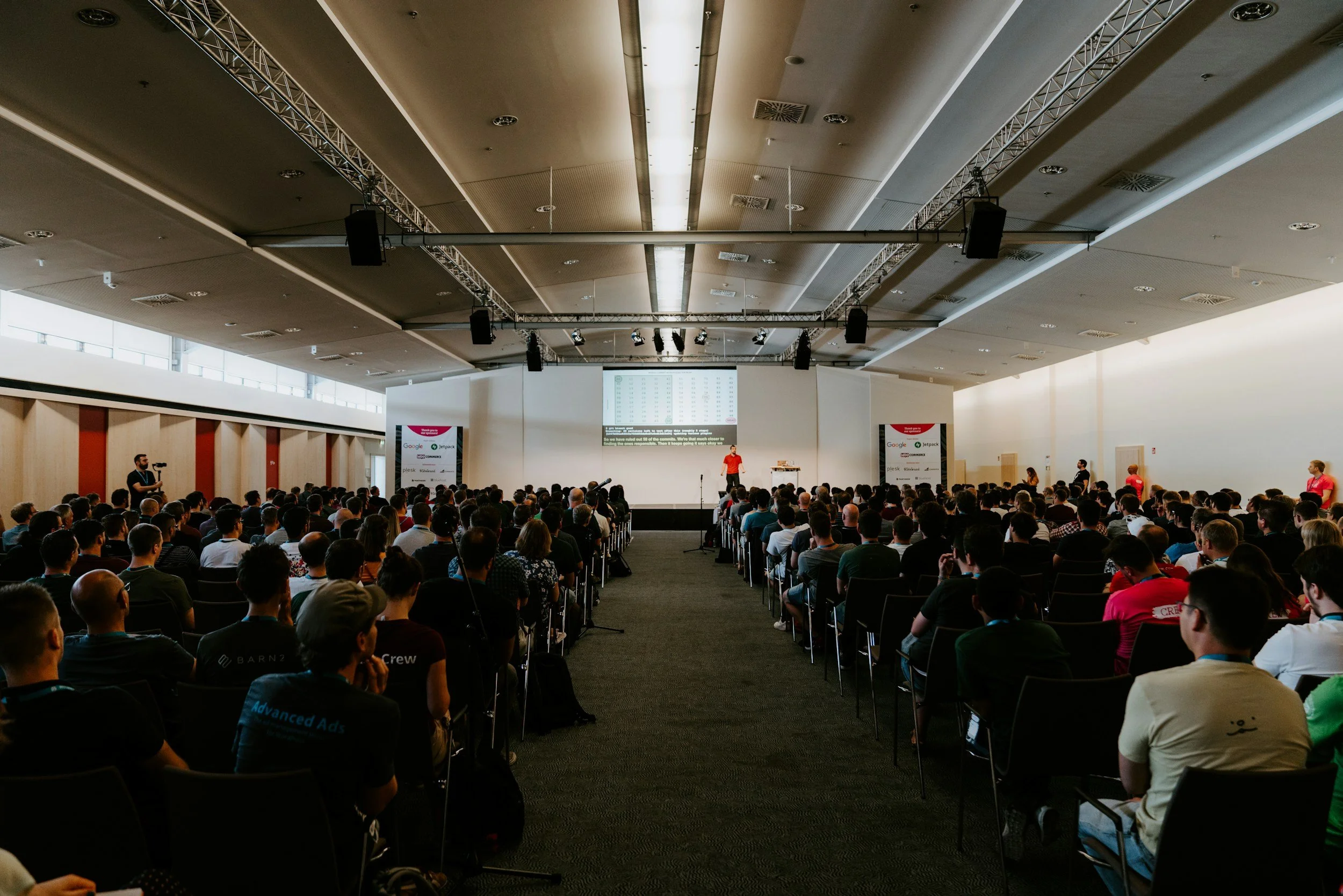
Rehearsal matters more in a second language, not less, because your pronunciation, pacing, and stress patterns all need the reps. A slip that would be minor in your first language can badly dent clarity in your second, where the listener has less room to fill in the gap for you.
Ask AI which words in your text are most commonly mispronounced by speakers of your first language, then drill those specific words until they feel comfortable coming out of your mouth. This is targeted practice rather than reciting the whole thing over and over, which is a better use of your time and far less likely to leave you rigid on the day.
You can also ask AI for simpler alternatives to any complex vocabulary. In a multilingual context simpler is almost always stronger. If you can say it in five words, do not use 10, because a short clear sentence beats a grammatically impressive one that your audience has to stop and decode. Every extra clause is another thing that can go wrong in your mouth and another thing the room has to unpick.
How to Structure a Presentation for a Multilingual Audience
When your audience holds a wide range of English levels, or when you are working through an interpreter, structure has to carry more of the load. Short sentences beat long ones. Plain vocabulary beats impressive vocabulary. Deliberate pauses between sections give an interpreter time to catch up and give non native listeners time to process what you just said. Clear beats clever, and never more so than here.
This is where the Nano Speech earns its keep. One engaging open, one clear message stated in a single sentence, one purposeful close. If you cannot deliver your main point in one sentence, you are not clear enough on it yourself yet, and that lack of clarity gets brutally exposed the moment a second language is involved. The structure forces the discipline the room needs.
You can hand the structuring itself to AI: "Rewrite this for an audience where English is a second language. Use shorter sentences, avoid idiom, and swap any culturally specific reference for a universal one." What comes back is usually a tighter, clearer version that serves everyone in the room, native speakers included. I have watched that same instruction improve a presentation for a fully fluent audience, which tells you something about how much clutter we all carry by default.
How AI Helps You Prepare Supporting Materials
If you are handing out notes, slides, or follow up material alongside your presentation, AI can prepare those in several languages quickly. This is genuinely useful at international conferences, where people often engage with written material in their preferred language even when the presentation itself is in English. It also means someone who lost the thread during a fast section can catch it afterwards in their own language.
Use AI to draft your key takeaways, slide text, and summary documents in the languages you need. Then apply the rule that has never once let me down: always have a native speaker check anything that goes out with your name on it. Machine translation has come a long way in the years I have been using it, and it still makes errors a native speaker spots in a second, the kind that make you look careless rather than international.
What AI Cannot Do for Multilingual Speakers
AI cannot hand you the ease that comes from genuine fluency. If you are presenting in a language you barely speak, no amount of preparation replicates the comfort of really knowing it, and it is honest to admit that to yourself before you commit to the room.
It also cannot handle the live social intelligence that cross cultural speaking demands. When a question arrives in fast colloquial language, or the mood in the room shifts and needs a spontaneous read, that is a human skill no tool stands in for. This is the part I could never outsource for a client and never tried to. Preparation buys you a strong floor. It does not buy you the moment.
There is a simple move for the second you genuinely cannot follow or answer a question, and it is the move people are most afraid to use: honesty. Rather than bluff, say you want to make sure you understand and will come back to them properly, and then follow through. Audiences forgive a language slip far more readily than they forgive a speaker reading a flawless script with no real connection behind it. Prepare as thoroughly as AI allows, accept that some moments will be imperfect, and let the connection carry them across.
Frequently Asked Questions About AI and Multilingual Public Speaking
Can AI translate an entire speech reliably?
It can produce a solid working draft, but do not treat that draft as your final version. Spoken language needs natural rhythm, the right level of formality, and a cultural sensitivity machine translation still misses in places. Rehearse the adapted version out loud and, ideally, have a native speaker review it before you stand up. The draft is your starting line, not your finish.
Should I present in English or in the audience's native language?
If you speak their language well enough to deliver naturally without reading a script, doing so builds stronger connection and trust than English ever will in that room. If your proficiency is limited, presenting in English with well prepared multilingual handouts is usually the stronger and safer choice. The deciding question is not which is braver, it is which lets you stay connected to the room rather than buried in your notes.
How can AI help me with pronunciation in another language?
Ask it to flag the words in your script most commonly mispronounced by speakers of your first language, and to point out any technical or specialist terms worth extra practice. It can offer phonetic guides too. Pair those with audio tools or, better, a native speaker who can hear the stress patterns a written guide cannot capture.
Is it worth using AI if my audience is only partly multilingual?
Yes, and often more than you would expect. The same instructions that simplify a presentation for a mixed room, shorter sentences, no idiom, universal references, make it clearer for a fully fluent audience as well. Preparing for the least confident listener quietly lifts the experience for everyone, which is a good habit regardless of who is in the seats.
TL;DR: How to Use AI for Multilingual Public Speaking
AI adapts your message across languages. It does not make you fluent, and it does not replace a native speaker check.
Direct translation keeps your words and loses your rhythm, your humour, and your cultural fit. Adapt from the core idea instead.
Prompt AI to express your point the way a native speaker would in a professional setting, then say every version out loud before you trust it.
Research the room's communication norms first, because expectations around directness, formality, and story shift by culture.
Simplify hard. In a multilingual room, a short clear sentence beats an impressive one every time.
Rehearse the translated version aloud and drill the specific words your first language tends to trip on.
Prepare handouts and slides in the audience's languages, but always have a human native speaker check anything that leaves the room.
More From Liam Sandford
Read my book: Effortless Public Speaking. Learn how to speak confidently, reduce stress, and turn public speaking into your competitive advantage. These actionable public speaking tips will help you improve your presentation skills for any audience.
Join the free 5-day email course: Get daily lessons packed with practical strategies to deliver effective presentations and speak confidently. This course is designed to build your public speaking skills step by step. Sign up below: